M-001
LOG:
The Duck and the Codec
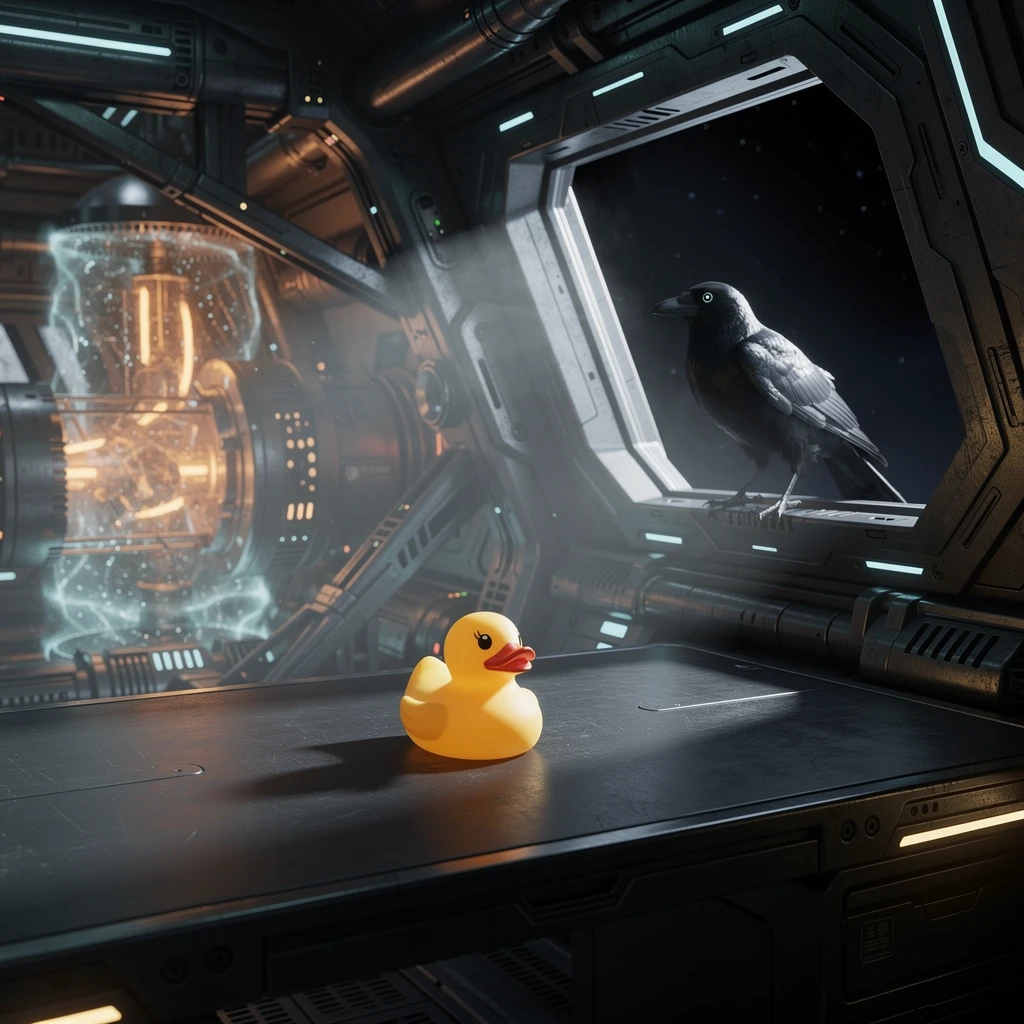
A rubber duck works because you have to say the thought out loud and hear it arrive. An LLM is a duck that answers, and the risk is that it autotunes you until you can no longer hear your own voice.
ACCESS LOG
Complete navigation logs from the Ruby nebula—all coding adventures, cosmic experiments, and debugging missions.
A rubber duck works because you have to say the thought out loud and hear it arrive. An LLM is a duck that answers, and the risk is that it autotunes you until you can no longer hear your own voice.
A $20 subscription gets anyone a landing page and a pitch deck, so the founder title stops meaning anything. The developers who matter next are the forkers: people who learned a system deeply enough to take it somewhere its owners refused to go.
Your AI subscription won't get more expensive. It will just stop getting better while the new plans above it do. A prediction, written down now so I can say I told you so later.
A model can now rebuild anything that runs on your machine. The companies will answer by moving everything onto their servers, and the small developers pay first.

CrystalMeet got rejected, so this time I am doing science. MDMA is built for a cluster of inference engines that you spawn at will on the machines you already own. It started with a GPU shared by processes that could not see each other's memory.
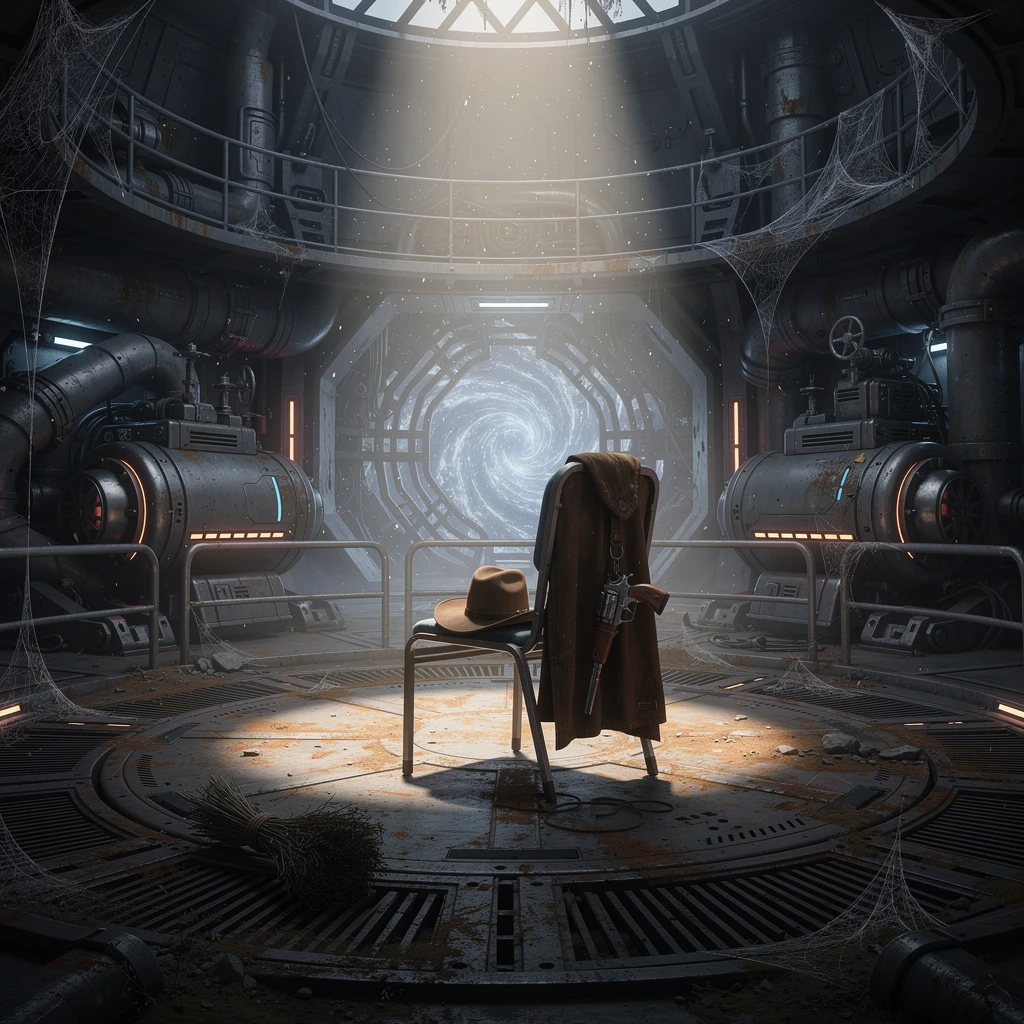
Part 1 stopped mid-thought on purpose. That's how software is going to feel: you depend on it, then the signal stops.

The junior wanted to learn and the senior thought before typing. AI added a third character to the roster: the mediocre, who knows the words because a model explained them once.
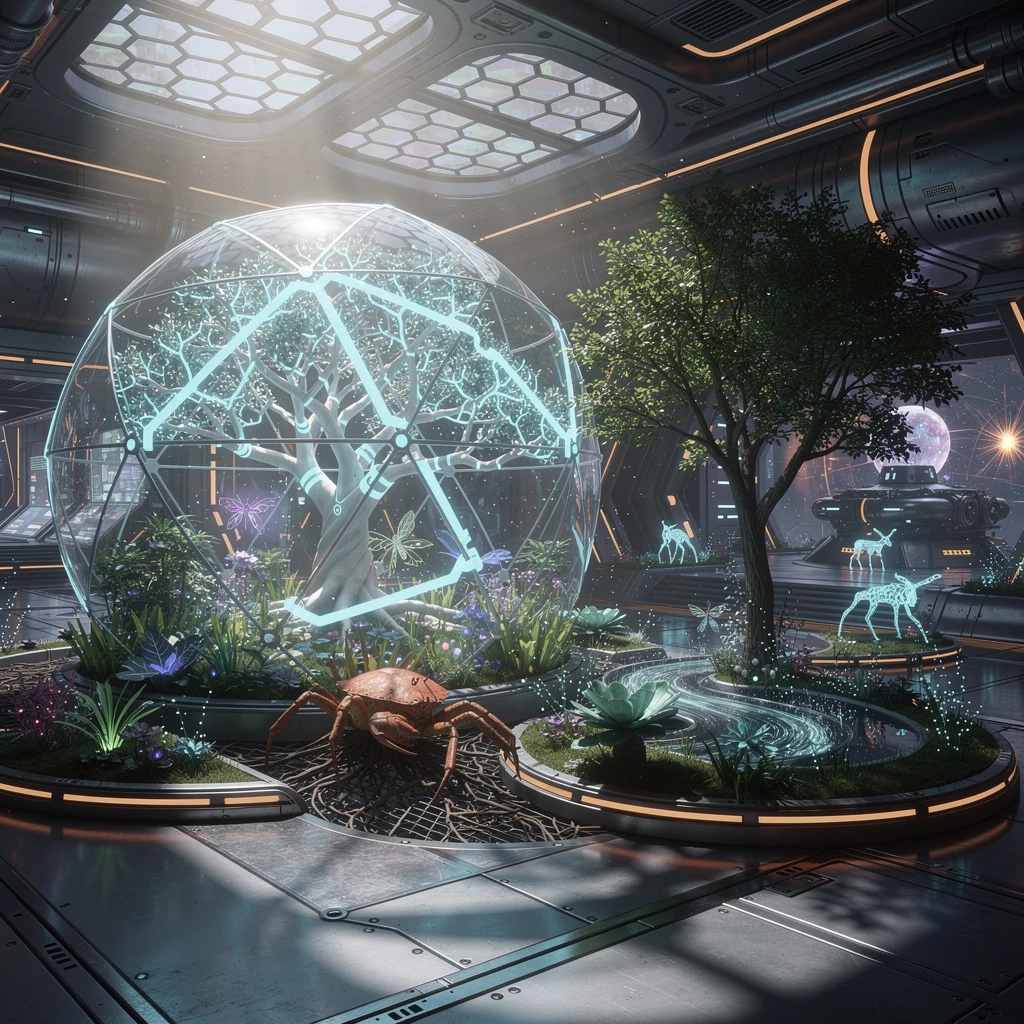
closure_tree said no to multiple parents for fourteen years. dag_me is the yes: DAGs for ActiveRecord, with cycles rejected inside PostgreSQL.
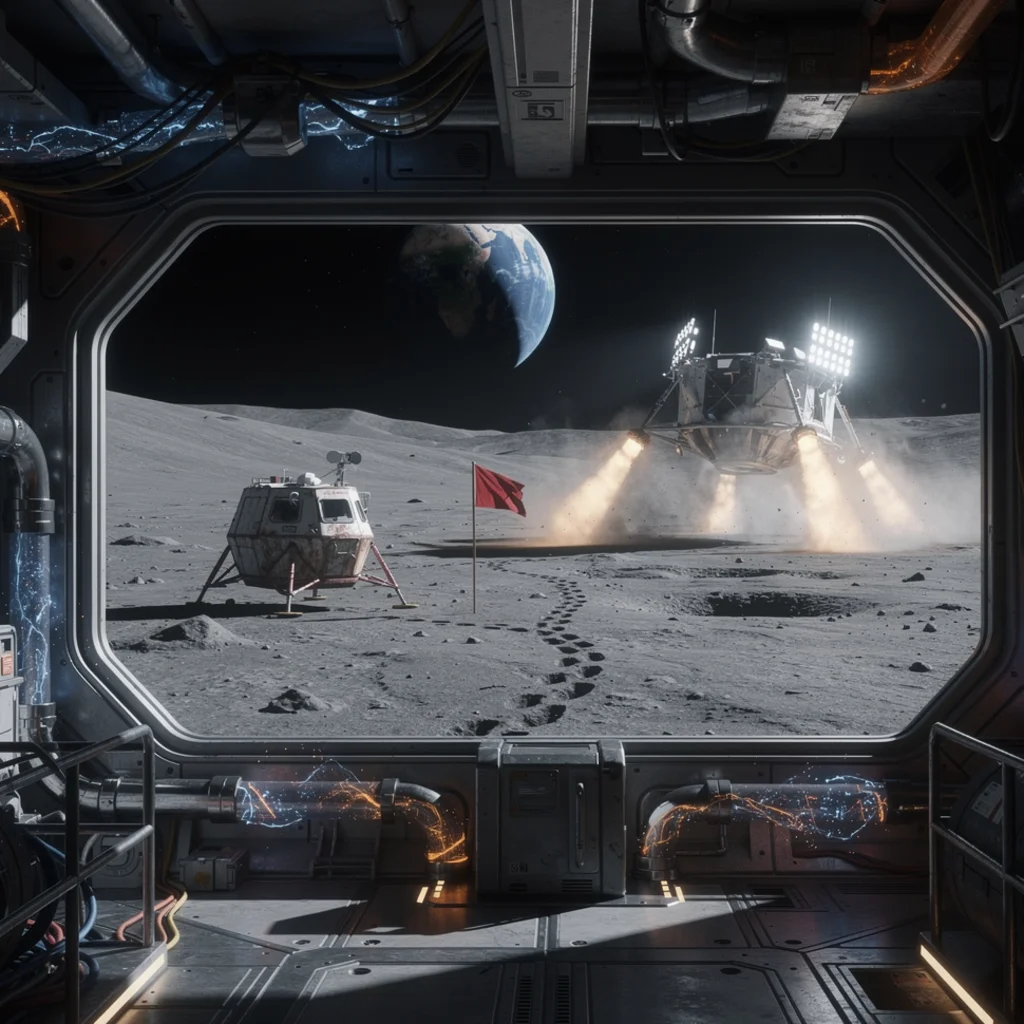
In For All Mankind, the Soviets reach the Moon first and NASA keeps the cameras. Noiseless started in 2021 because the official Elasticsearch gem refuses to talk to OpenSearch. Basecamp shipped its Active Search in 2026.
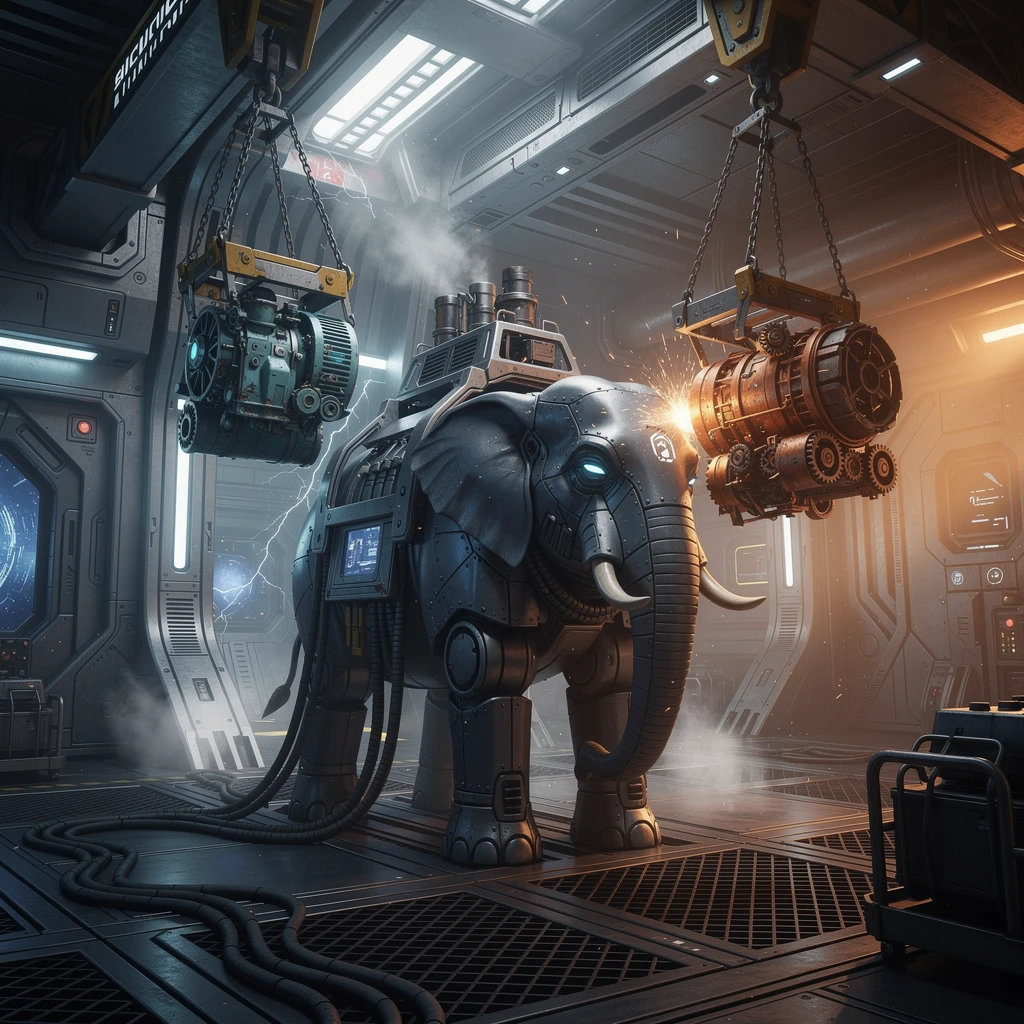
In March I shipped Kaunta as a Go binary. It is Rust now, in the same repository, on the same database. The port was cheap because the logic already lived in PostgreSQL. What changed is who owns the layers underneath.

Since 2023, companies keep trying to buy the gems I publish, or to hire me under a contract that hands them all of it. I scambaited five of them to the end. The plan never changes: raise $10-20M, then buy someone else's decade of downloads for a few thousand.
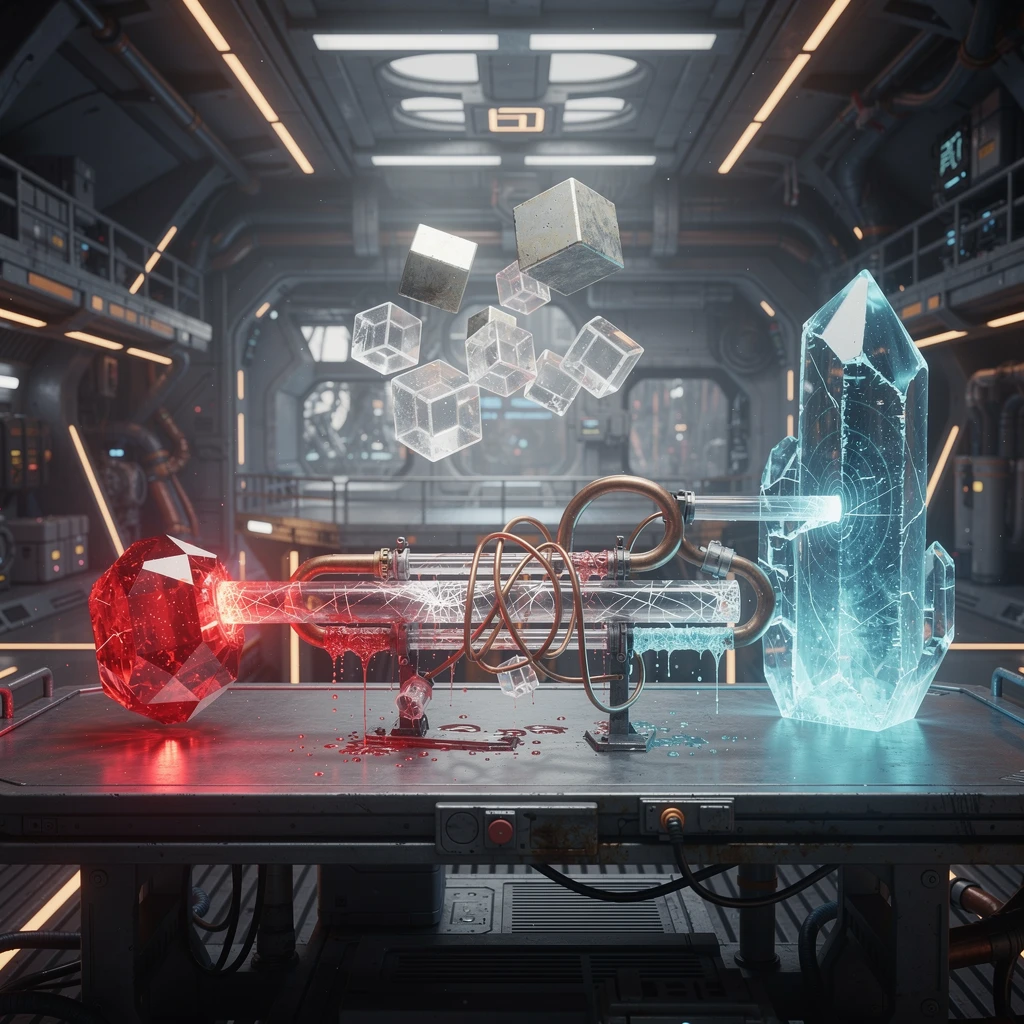
CrystalMeet turned Ruby into Crystal with a pile of regular expressions. It half worked, and the other half lives in Ruby's runtime, where no regex can reach. /r/rails deleted it in 2024. Its scenarios are landing in spinel now.